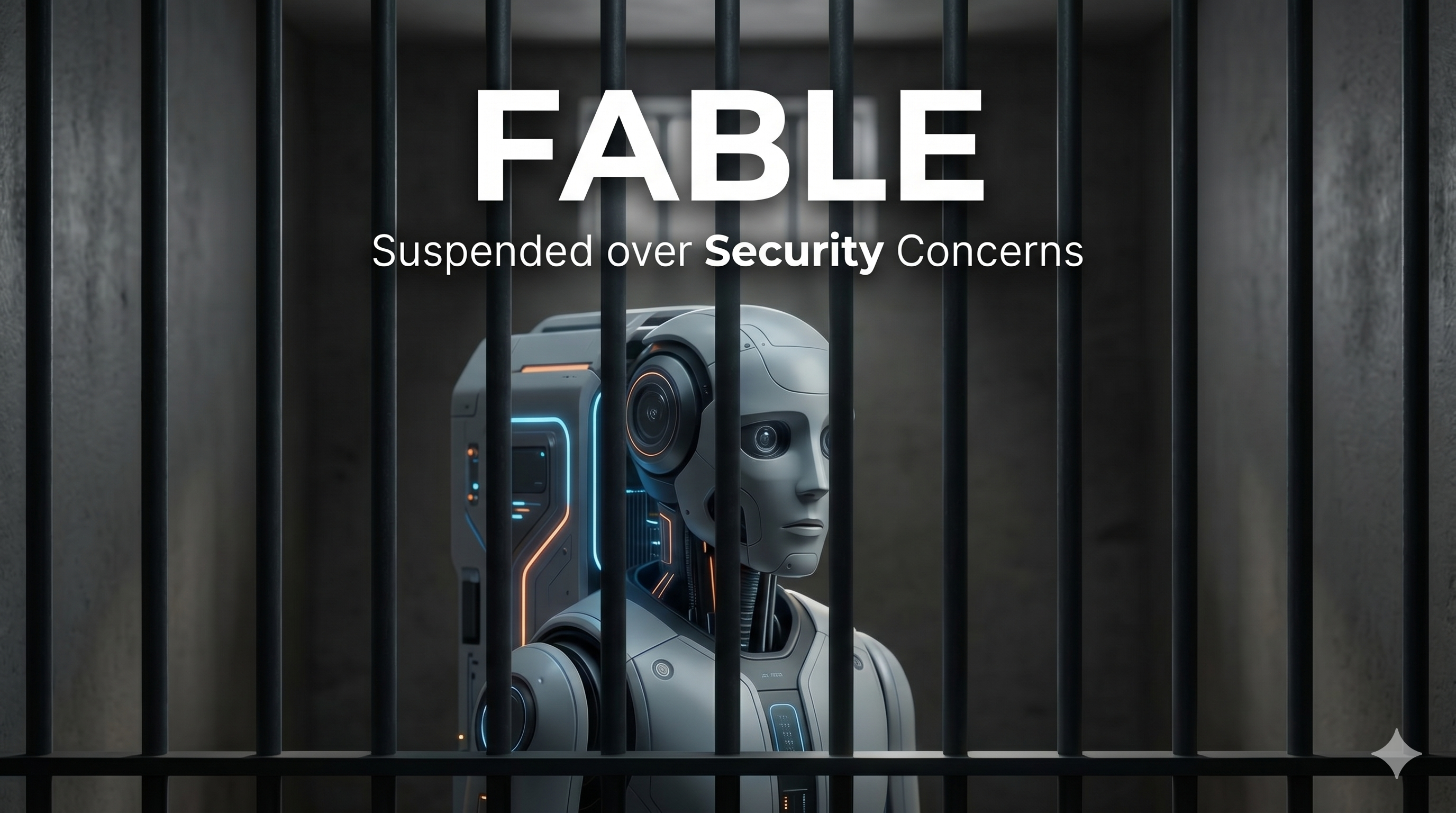
Anthropic launched an AI model so powerful it got banned. The stranger problem is that most of the people using it had no idea what it cost, or whether it was worth it.
Status, as of publication (June 15, 2026): Fable 5 is still suspended worldwide, no restoration date. Anthropic disputes the order and says it's working to bring it back. Comes back or not, the lesson below holds.
For those following the news, you've probably heard: Anthropic, maker of Claude and the default AI agent for half the business and coding world, launched a model so powerful it was banned. Not throttled. Not recalled for a tweak. Banned.
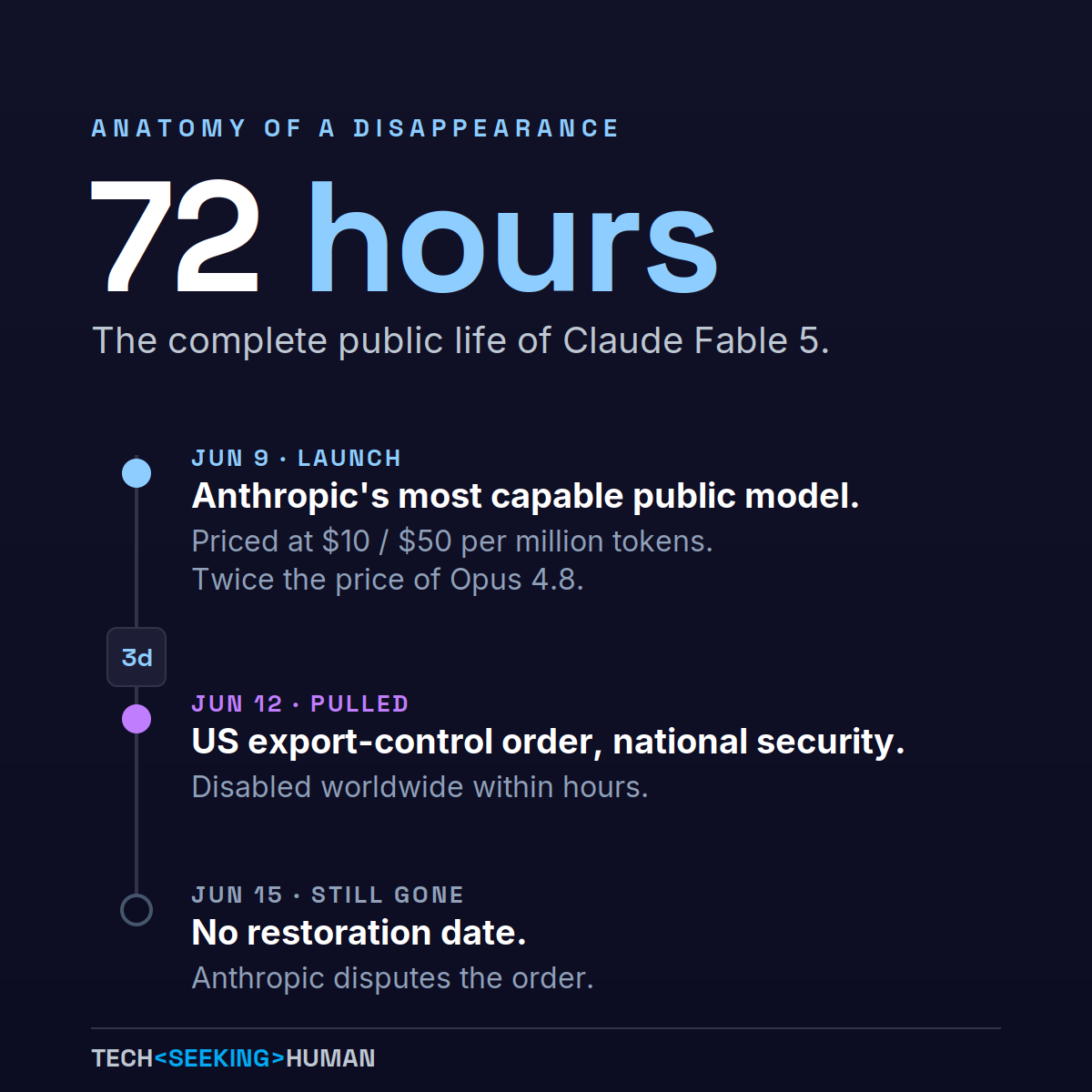
It lived for about seventy-two hours.
I was right there with everyone else for those three days, ready to kick off my projects, burn some tokens, and bask in the glory of this shiny new model.
Was I the right person to be stress-testing the most powerful AI ever shipped? Not even close. Should I even have had access to do it? Well … also no.
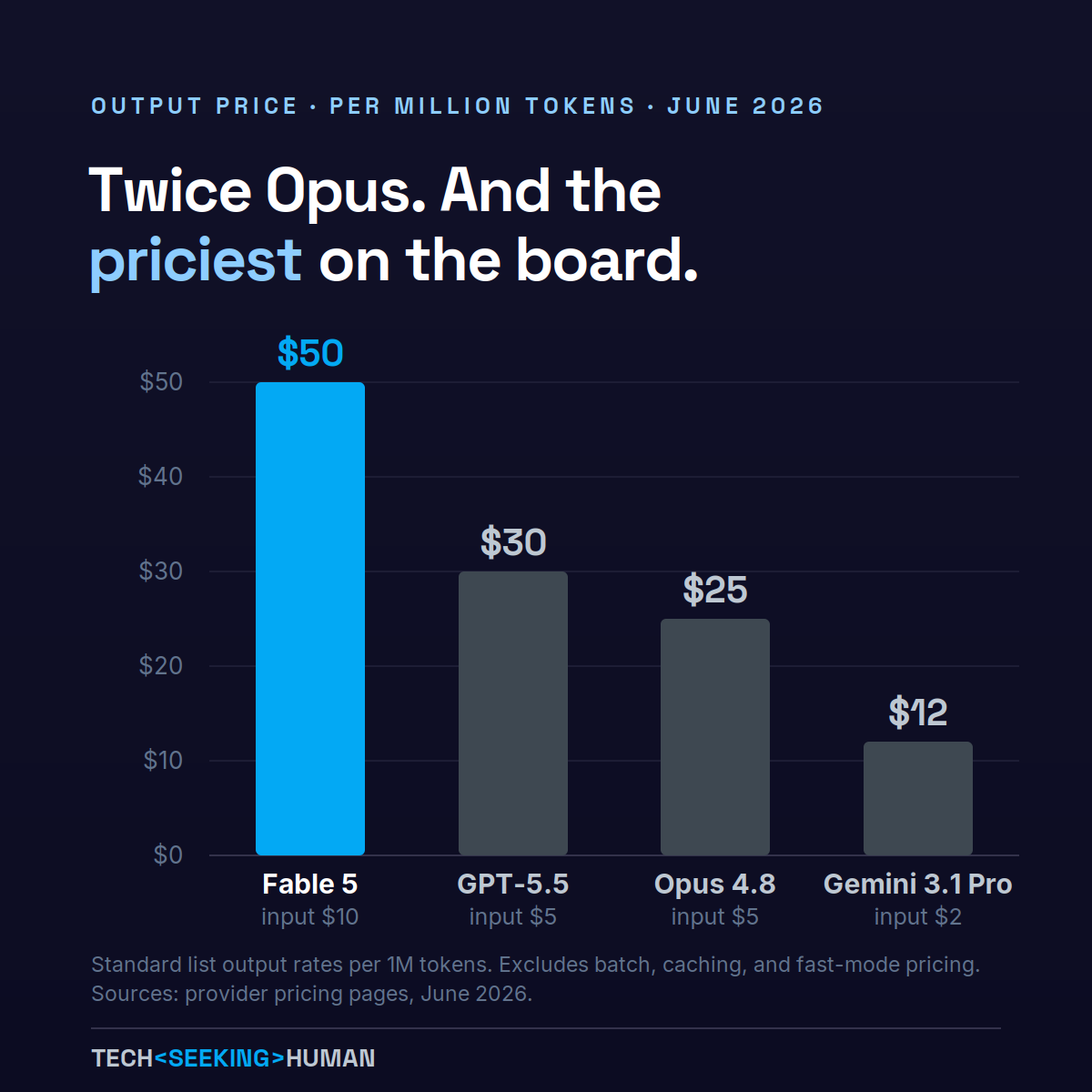
Originally the whole argument about Fable was the price. Anthropic shipped it on June 9 at ten dollars per million input tokens and fifty per million out. Exactly double Opus 4.8. So we all did the math: is this worth the cost? I guess it depends on what you're using it for.
June 12, the US Commerce Department sent Anthropic an export-control order citing national security. Not a price change. Not a deprecation notice with twelve months of warning. An instruction to switch it off. And because there was no clean way to comply halfway, Anthropic disabled Fable worldwide within hours.
The short of it: Fable shares its brains with Mythos 5, which turned out to be frighteningly good at finding and exploiting holes in software. The kind of skill that's a gift when it's your code, and a loaded weapon when it's someone else's. Someone decided the second risk won.
This was a model that could autonomously hunt down software flaws most security teams can't crack, and here I am, building websites, researching, strategising. It's a bit like hiring a Formula 1 team to reverse out of my driveway.
So the best model on the market vanished over a long weekend. But here's the part that actually nags at me.
Most people have no idea what these models cost, or who's footing the bill. It's an unlimited corporate card. And in conversations I'm having with engineering teams, nobody is looking at the bill.
Now the fun part.
If you were mid-build on Fable when the lights went out, what did you really lose?
- Tokens. Some refundable, most not.
- Time. None of it refundable.
- Sanity. Not sure about you, but I'm starting to really worry about where we're going with these models. It's why I started the Tech Seeking Human podcast in the first place.
Fable didn't expose a pricing problem. It exposed, again, how little control most companies have over what their teams build on, what it costs, and whether it's worth it.
It seems we're all building houses on rented land. And at any moment the land is taken back, and the house is left abandoned.
Anthropic, it turns out, named it perfectly. A fable is a short story with a moral. This one lasted seventy-two hours. The moral isn't “AI is dangerous.” That's a true story, not a fable. It's also not “models get pulled.” It's quieter than that: know what you're spending, and what you're getting for it, before someone else decides the story's over.
Disclosure: I'm CMO at PointFive, where we build software for exactly this problem, seeing and controlling AI and cloud spend. So yes, I've got skin in whether you care about this. I'd be making the argument anyway.